A meticulously detailed classical anatomical model of the human skeleton and musculature, crafted from ivory-toned resin with subtly matte textures and fine, etched muscle fibers. The figure stands alone on a dark walnut pedestal in a grand library-like room, surrounded by towering bookshelves filled with leather-bound volumes on movement and physiology. Warm, late-afternoon sunlight filters through tall arched windows, casting elongated, elegant shadows and delicate highlights along the ribs, tendons, and joints. Photographic realism with a sophisticated, museum-quality atmosphere, shot at eye level with a slightly off-center composition, sharp focus on the model and a gently blurred background, emphasizing the timeless exploration of the moving body through scholarly study.

L’Histoire en Mouvement

Étudier le passé. Expérimenter le geste. Comprendre le mouvement.

📚 Étudier

Sources, traités et archives.

⚔️ Expérimenter

AMHE, exercices et reconstitutions.

🧠 Comprendre

Biomécanique, posture et motricité.

🎥 Transmettre

Articles, vidéos et bibliothèque numérique.

Pourquoi ce site ?

L’Histoire en Mouvement explore les savoirs corporels européens transmis par les traités de combat, de gymnastique, de culture physique et de soin. En confrontant ces sources à l’expérimentation et aux sciences du mouvement, le projet cherche à mieux comprendre le corps humain en action.
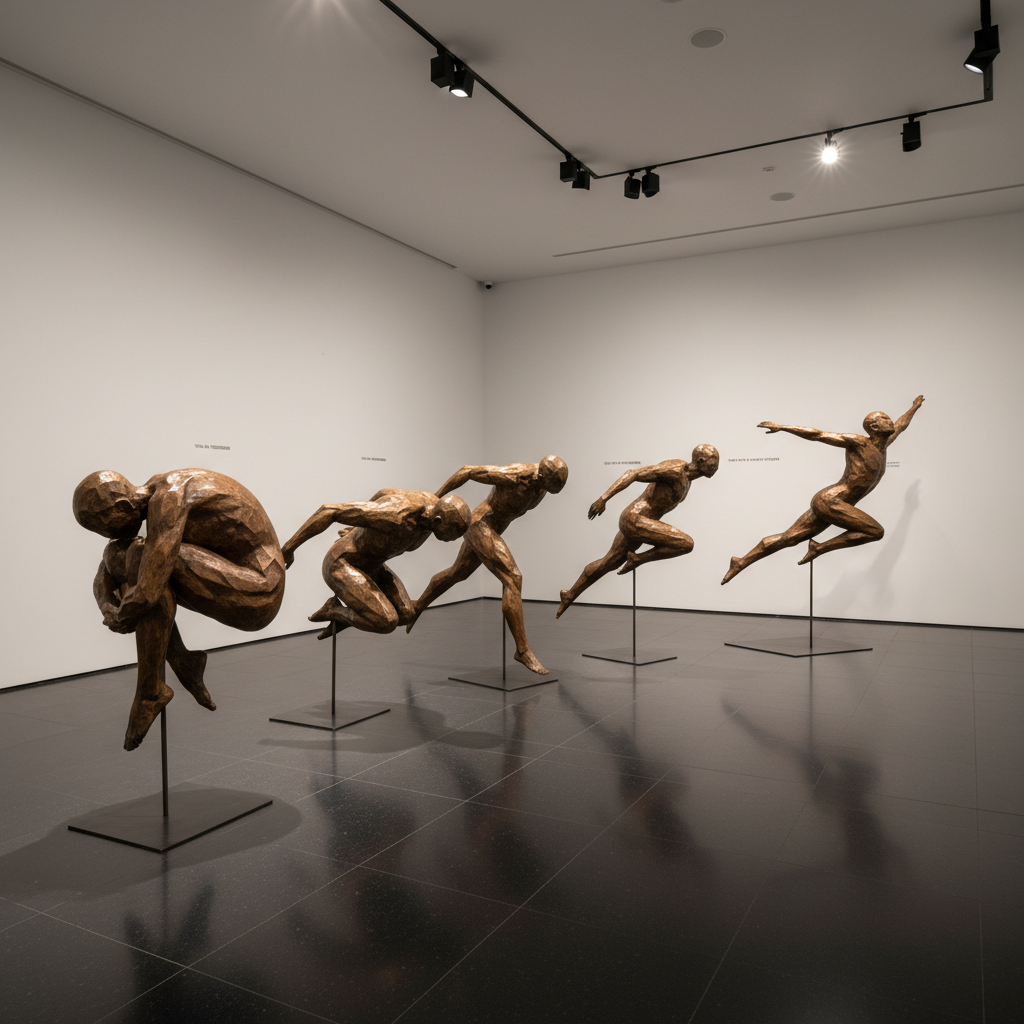
An exquisitely crafted sequence of bronze sculptures, each representing a different phase of a single fluid human movement, reduced to abstract, faceted forms without facial detail. The sculptures are arranged in a gentle arc on a polished basalt floor within a minimalist gallery space, white walls punctuated by discrete plaques of historical dates. Overhead track lighting creates refined pools of soft, directional light, accentuating the metal’s patina and casting overlapping shadows that visually narrate motion through time. Photographic realism with a calm, contemplative atmosphere, captured from a slightly elevated three-quarter angle, deep focus revealing subtle surface textures and precise spacing between figures, evoking the evolution of knowledge about the human body in motion.

Notre démarche

L’Histoire en Mouvement explore les savoirs corporels européens transmis par les traités de combat, de gymnastique, de culture physique et de soin. En confrontant ces sources à l’expérimentation et aux sciences du mouvement, le projet cherche à mieux comprendre le corps humain en action.

Derniers articles

Retrouvez les dernières enquêtes, récits et analyses publiées sur le blog, pour suivre pas à pas l’avancée du projet.

Bibliothèque des sources

Une sélection organisée de traités, manuels, iconographies et documents d’archives pour plonger dans les sources historiques du mouvement.

Vidéo à la une

Une sélection de vidéos pour voir le corps en action, entre démonstrations historiques, analyses de gestes et mises en pratique contemporaines.

Recherche en cours

Carnet de bord des projets en chantier, des terrains explorés et des questions qui guident actuellement l’enquête sur le corps en mouvement.

Soutenir le projet

L’Histoire en Mouvement est un projet indépendant. Votre soutien permet de financer le temps de recherche, la production des contenus et les déplacements nécessaires aux enquêtes de terrain.

Newsletter

Articles, archives et vidéos sur le mouvement humain, directement dans votre boîte mail.

Dernières publications

Étudier – Expérimenter – Comprendre – Transmettre

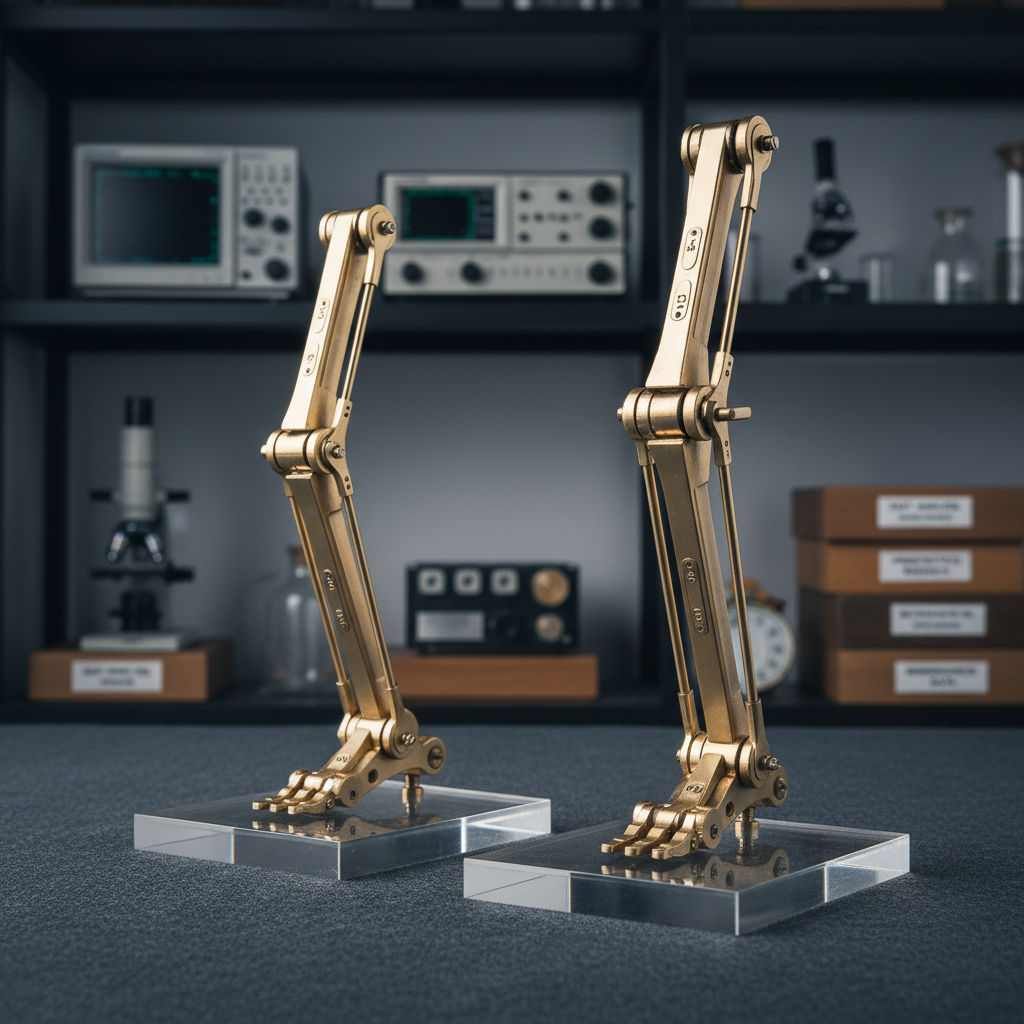
A pair of finely engineered mechanical models demonstrating the gait cycle: two articulated brass and brushed-steel leg assemblies mounted on clear acrylic bases, their joints connected by precisely numbered rods and tiny engraved plates. They rest on a charcoal-grey felt surface in a modern research laboratory, with blurred shelves of scientific instruments and neatly labeled archival boxes in the background. Cool, even studio lighting illuminates every hinge and screw, creating crisp reflections along metal edges and subtle gradients across the surfaces. Photographic realism with a clean, analytical mood, captured from a low, close-up angle, shallow depth of field emphasizing the foremost mechanism, visually translating the history of studying human movement into elegant mechanical form.
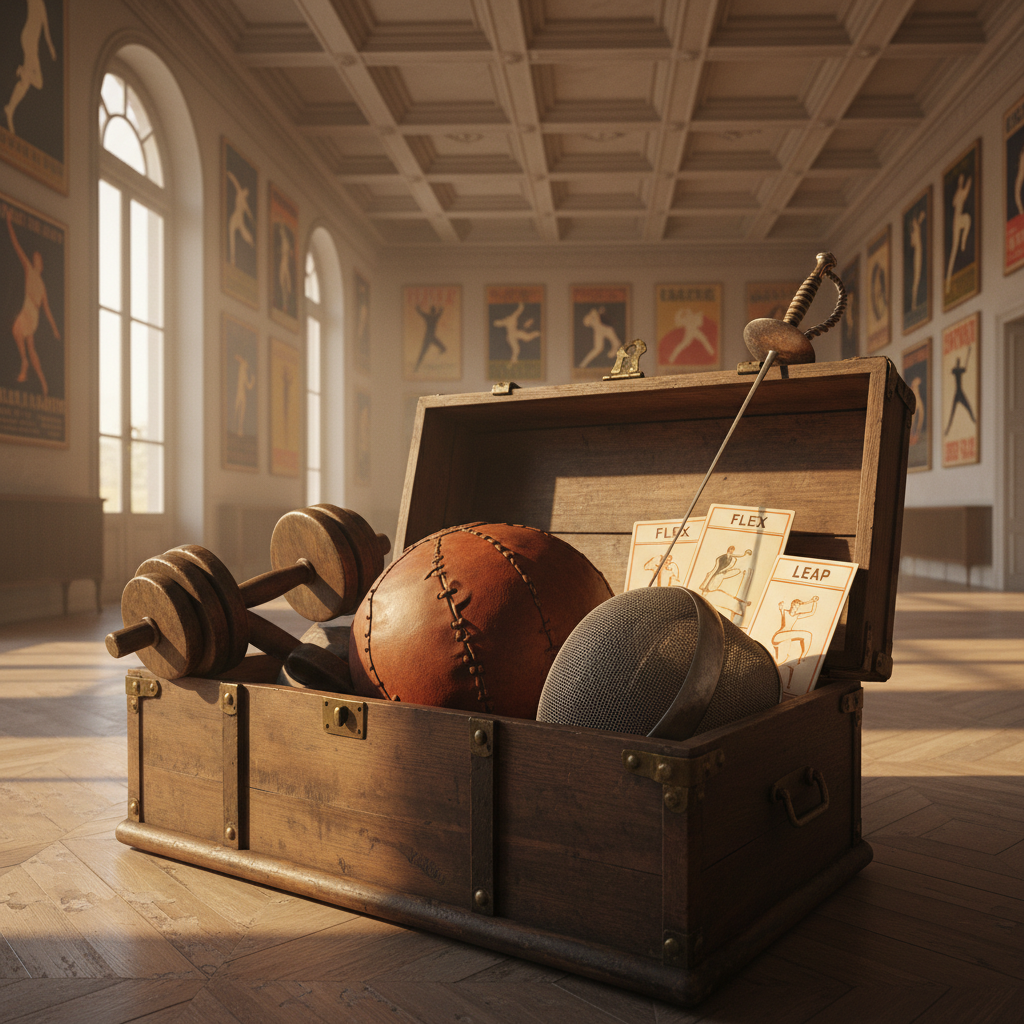
An open, antique wooden chest revealing a curated collection of historical movement tools: polished wooden dumbbells with worn handles, a cracked leather medicine ball, a beautifully patinated fencing mask resting beside a slender, engraved foil, and a stack of illustrated exercise cards with Art Deco styling. The chest sits on aged parquet flooring in a high-ceilinged salon adorned with framed vintage posters of athletic figures reduced to geometric silhouettes. Golden hour light streams through tall windows, bathing the scene in a warm, nostalgic glow and casting diagonal shadows across the objects. Photographic realism with a refined, almost cinematic atmosphere, shot at a three-quarter angle with moderate depth of field, inviting contemplation of how the culture of the moving body has evolved.